Our Service
Fresh Air for Healthier Indoor Living
10+
Leading Brands
We’ve worked with
AI Innovation.
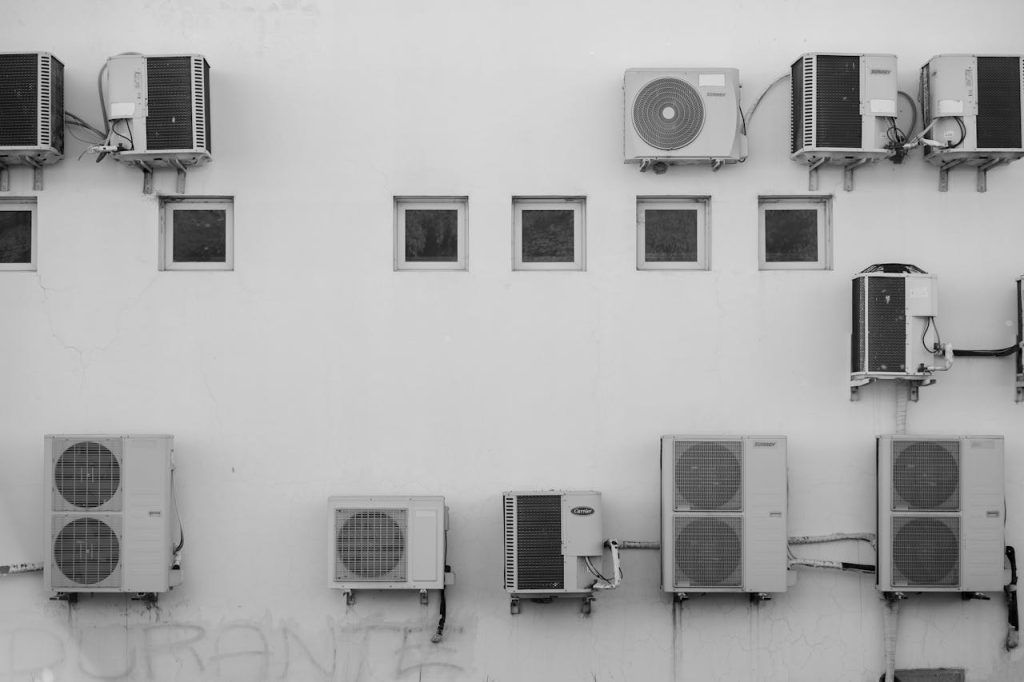
Modern homes are built tight for energy efficiency—but that traps stale air, odors, moisture, and pollutants inside. Proper ventilation systems continuously refresh indoor air, removing contaminants while maintaining comfort and efficiency.
Ventilation System Types:
- Exhaust-Only Systems – Removing stale air from bathrooms and kitchens, fresh air enters through intentional openings
- Supply-Only Systems – Bringing fresh air in, stale air exits through natural pressure
- Balanced Systems – Equal amounts of fresh air supplied and stale air exhausted
- Energy Recovery Ventilators (ERV) – Transferring heat and moisture between incoming and outgoing air streams
- Heat Recovery Ventilators (HRV) – Similar to ERV but moisture transfer eliminated
Why Homes Need Ventilation
- Indoor Air Quality
Without fresh air exchange, pollutants accumulate—cooking odors, cleaning chemicals, VOCs from furniture, and everyday contaminants that affect health. - Moisture Control
Bathrooms, kitchens, and daily activities generate humidity. Ventilation removes excess moisture preventing mold growth and structural damage. - Odor Elimination
Continuous air exchange eliminates lingering smells from cooking, pets, and daily living—keeping your home fresh naturally. - Building Code Requirements
Many jurisdictions now require mechanical ventilation in new construction and major renovations ensuring adequate fresh air.

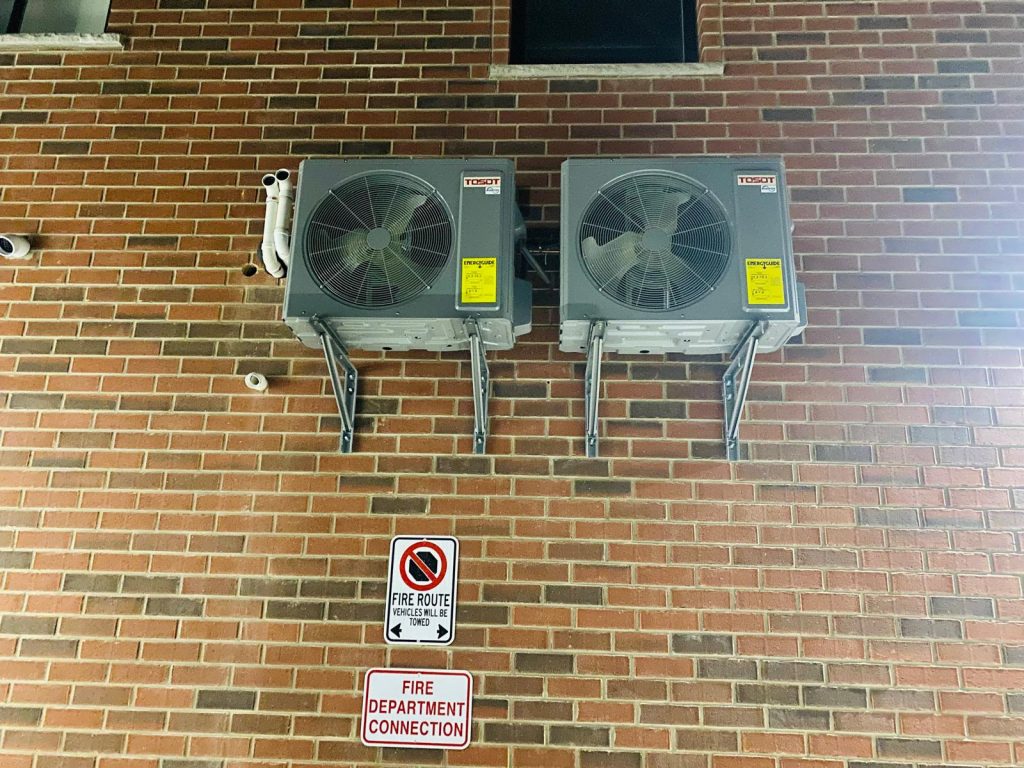
How Ventilation Works
- Continuous Operation – Low-speed fans running 24/7 ensuring constant air exchange
- Strategic Air Paths – Fresh air to bedrooms and living areas, exhaust from bathrooms and kitchens
- Controlled Exchange Rates – Measured airflow meeting building codes without excessive energy loss
- Filtered Fresh Air – Removing outdoor pollutants before air enters living spaces
Energy Recovery Benefits
- Reduced Heating/Cooling Costs – Recovering 60-90% of energy from exhausted air
- Year-Round Efficiency – Pre-conditioning incoming air using energy already paid for
- Comfortable Fresh Air – Winter incoming air pre-warmed, summer air pre-cooled
Health Benefits
- Reduced Allergens – Diluting indoor allergen concentrations with fresh outdoor air
- Lower CO2 Levels – Preventing stuffy feeling from elevated carbon dioxide
- Mold Prevention – Controlling humidity that leads to mold and mildew growth
- Better Sleep Quality – Fresh, oxygen-rich air improving rest and recovery
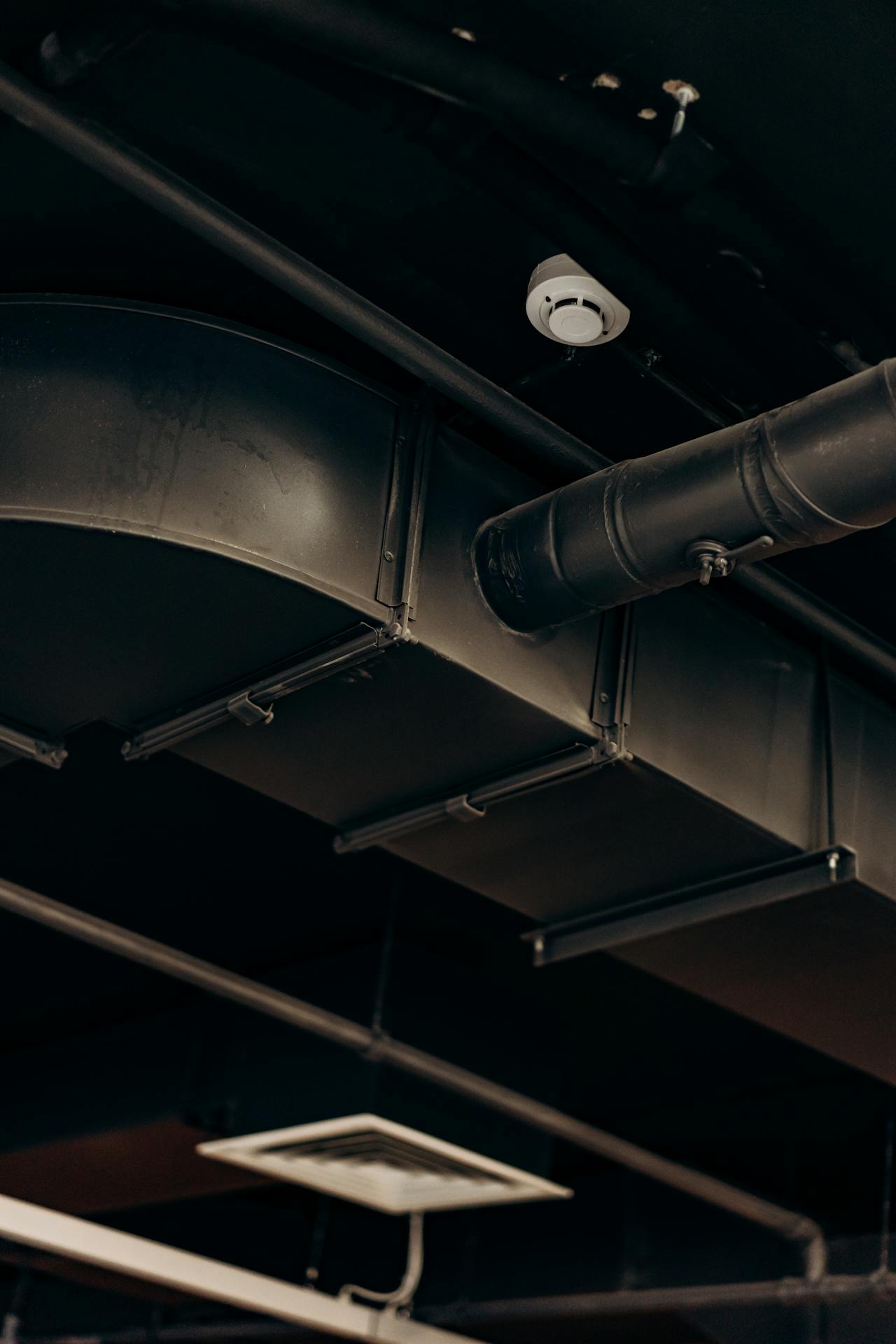
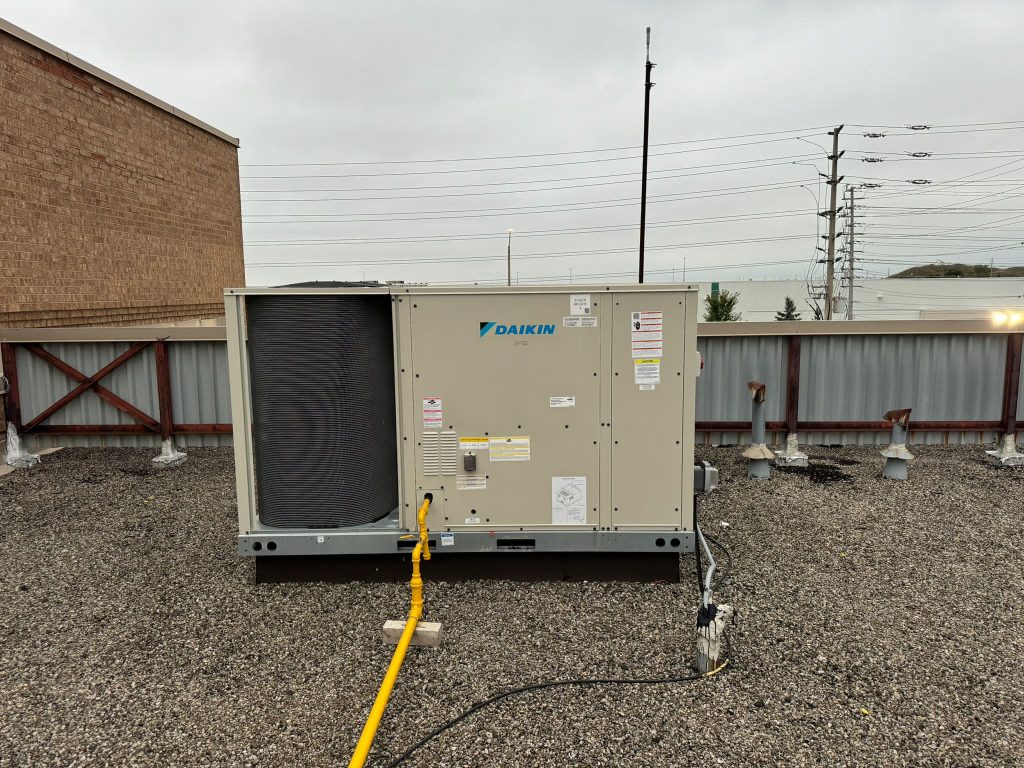
Integration with HVAC
- Ducted Systems – Fresh air distributed through existing ductwork
- Standalone Units – Independent ventilation with dedicated duct runs
- Compatible Controls – Coordinating with furnace and AC operation
- Balanced Airflow – Working with heating and cooling without creating pressure imbalances
Installation Options
- New Construction – Designed into home from beginning with optimal duct routing
- Retrofit Applications – Adding ventilation to existing homes efficiently
- Basement or Attic Mounting – Equipment placement minimizing noise in living spaces
- Minimal Space Requirements – Compact units fitting into tight utility areas
Choosing the Right System
- Climate Considerations – ERV vs HRV selection based on regional humidity patterns
- Home Size – CFM capacity matching square footage and occupancy
- Existing HVAC – Integration capabilities with current heating and cooling equipment
- Budget – Balancing features and efficiency with investment level
Contact Metric Air Limited for ventilation systems delivering continuous fresh air, healthier indoor environments, and energy-efficient operation.