
Our Service
Energy-Efficient Fresh Air Exchange
10+
Leading Brands
We’ve worked with
AI Innovation.
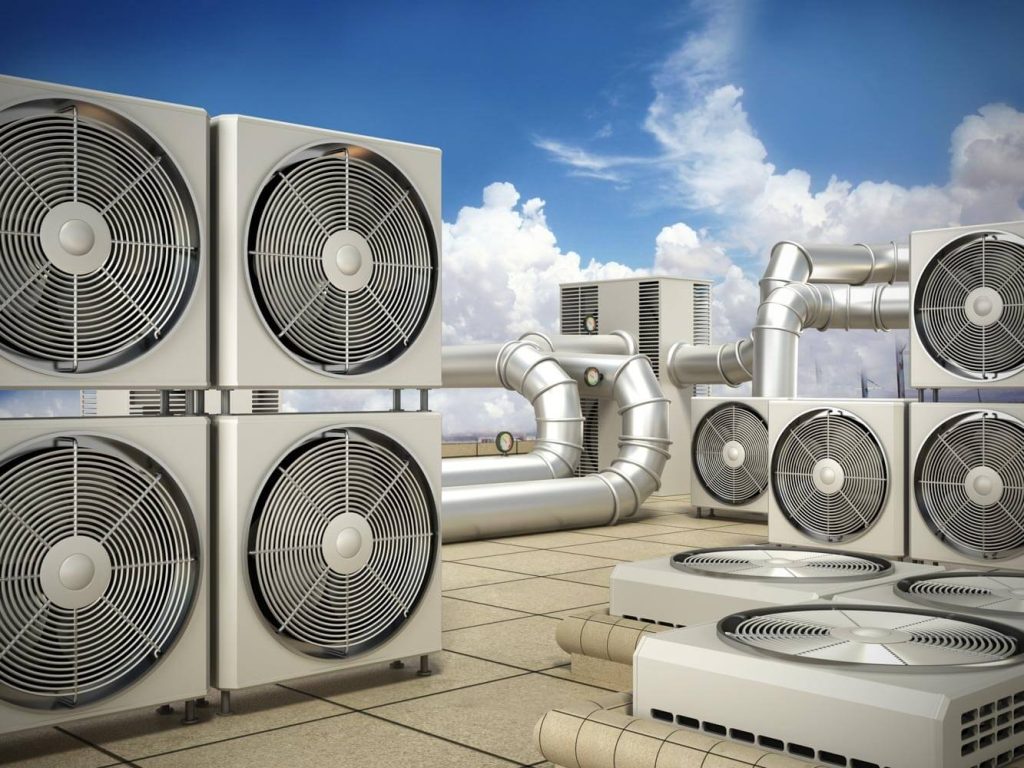
Energy Recovery Ventilators (ERV) and Heat Recovery Ventilators (HRV) bring fresh outdoor air into your home while recovering energy from exhausted air—providing healthy ventilation without the energy penalty of simply opening windows.
Ventilation System Types:
- Exhaust-Only Systems – Removing stale air from bathrooms and kitchens, fresh air enters through intentional openings
- Supply-Only Systems – Bringing fresh air in, stale air exits through natural pressure
- Balanced Systems – Equal amounts of fresh air supplied and stale air exhausted
- Energy Recovery Ventilators (ERV) – Transferring heat and moisture between incoming and outgoing air streams
- Heat Recovery Ventilators (HRV) – Similar to ERV but moisture transfer eliminated
ERV vs HRV: Understanding the Difference
Heat Recovery Ventilator (HRV)
Transfers heat between incoming and outgoing air streams
Does not transfer moisture
Best for humid climates or homes with moisture issues
Ideal for Canadian winters recovering heating energy
Energy Recovery Ventilator (ERV)
Transfers both heat and moisture
Balances indoor humidity year-round
Better for dry winter climates or homes needing humidity retention
Prevents over-drying in heated homes

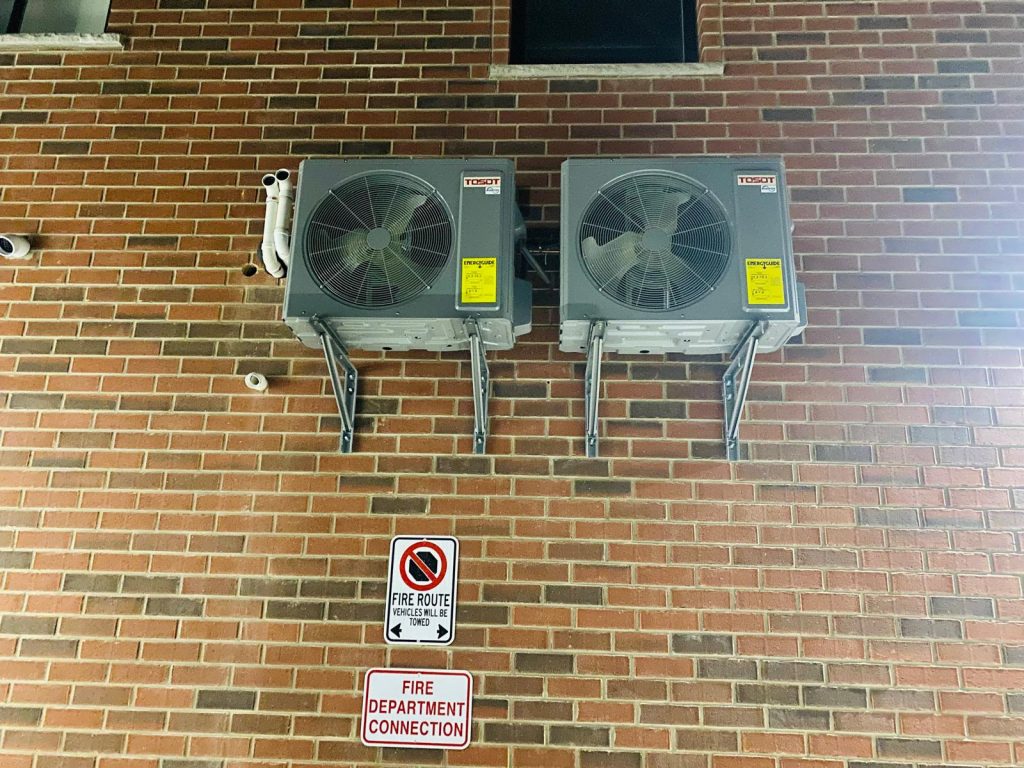
How They Work
- Dual Airstreams – Separate paths for fresh incoming air and stale exhausted air
Heat Exchange Core – Transferring energy between airstreams without mixing them
Energy Recovery – Capturing 60-90% of heating or cooling energy from exhausted air
Filtered Fresh Air – Removing outdoor pollutants before entering your home
Balanced Ventilation – Equal volumes in and out maintaining proper building pressure
Energy Savings Benefits
- Lower Heating Bills – Pre-warming winter fresh air using heat from exhausted air
- Reduced Cooling Costs – Pre-cooling summer incoming air before entering home
- Year-Round Efficiency – Continuous energy recovery regardless of season
- Payback Through Savings – Energy recovery offsetting operating costs over equipment life
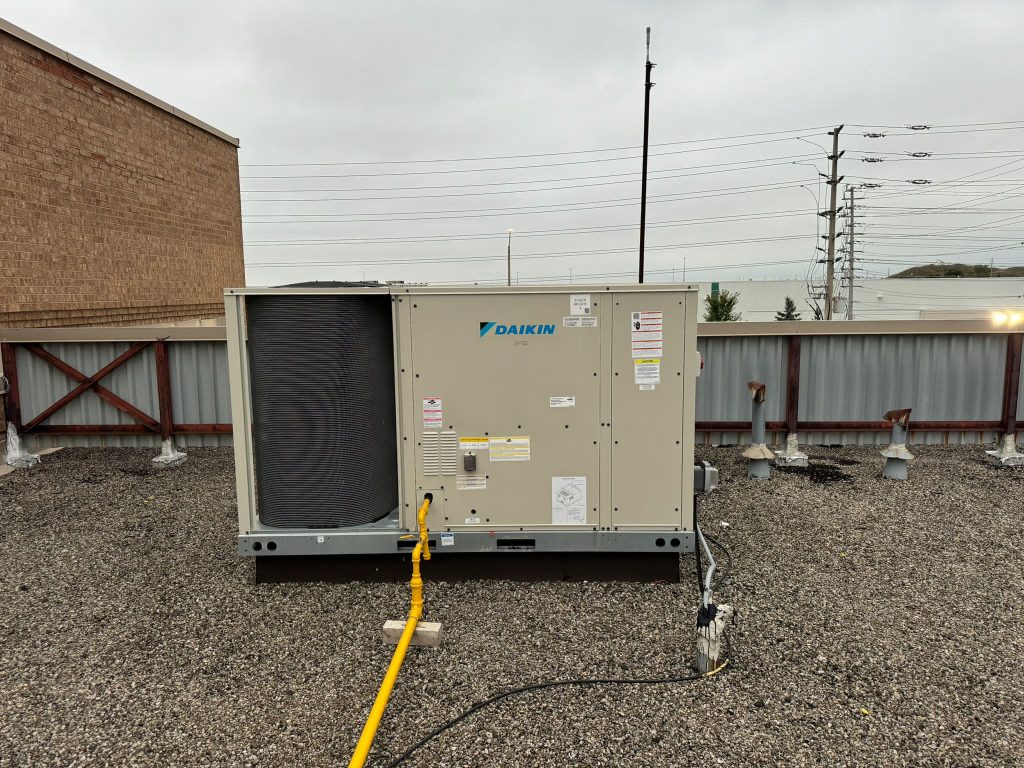
Health and Comfort Advantages
- Continuous Fresh Air – Constant air exchange without opening windows
- Controlled Humidity – ERVs maintain comfortable moisture levels naturally
- Reduced Allergens – Filtration removing pollen and outdoor contaminants
- Elimination of Stale Air – Removing cooking odors, VOCs, and indoor pollutants continuously
Ideal Applications
- Tight, Energy-Efficient Homes – Modern construction sealed for efficiency needs mechanical ventilation
- Basement Finishing – Adding living space requires adequate fresh air supply
- Master Bedroom Suites – Ensuring fresh air in sleeping areas
- Homes with Indoor Air Quality Concerns – Allergies, asthma, or sensitivity to pollutants
Which System is Right?
Choose HRV if:
You live in humid climate
Home has moisture issues
Winter indoor humidity adequate or highChoose ERV if:
You live in dry climate
Home air becomes dry in winter
Year-round humidity balance desired
Installation Configurations
- Whole-House Systems – Central units serving entire home through dedicated ductwork
- Supplemental Units – Adding ventilation to specific areas or zones
- Integration with HVAC – Connecting to existing furnace ductwork
- Standalone Installation – Independent duct runs when HVAC integration isn’t practical
Ducting Strategies
- Fresh Air to Bedrooms – Supplying cleanest air where you sleep
- Exhaust from Bathrooms and Kitchens – Removing moisture and odors at source
- Balanced Air Paths – Designed airflow patterns throughout home
- Insulated Duct Runs – Preventing condensation in cold spaces
Control Features
- Continuous Operation – Low-speed running 24/7 for constant air exchange
- Boost Mode – High-speed operation during showers or cooking
- Humidity Sensing – Automatic speed adjustment based on moisture levels
- Programmable Timers – Scheduling ventilation matching daily routines
Climate Considerations
- Cold Winter Climates – HRVs prevent frost buildup, ERVs retain indoor humidity
- Hot Humid Summers – ERVs reduce incoming moisture load
- Dry Climates – ERVs help maintain comfortable humidity levels
- Mild Year-Round – Both types work effectively with slight preference variations
We assess your specific situation recommending the optimal system for your home and climate.
Contact Metric Air Limited for ERV/HRV installation bringing fresh air and energy efficiency to your home simultaneously.